Authentic Japanese Timber Straight from the Mill
Sugi and Hinoki from certified mills in Japan.
Shipped worldwide.
Mill relationships are often closed to overseas buyers. Grades and sizes rarely align with your market. Verification is difficult from abroad.
Many buyers settle for uncertainty or walk away.
We make direct access possible.
Sourcing timber from Japan is hard.
Why Choose Mokuzai?
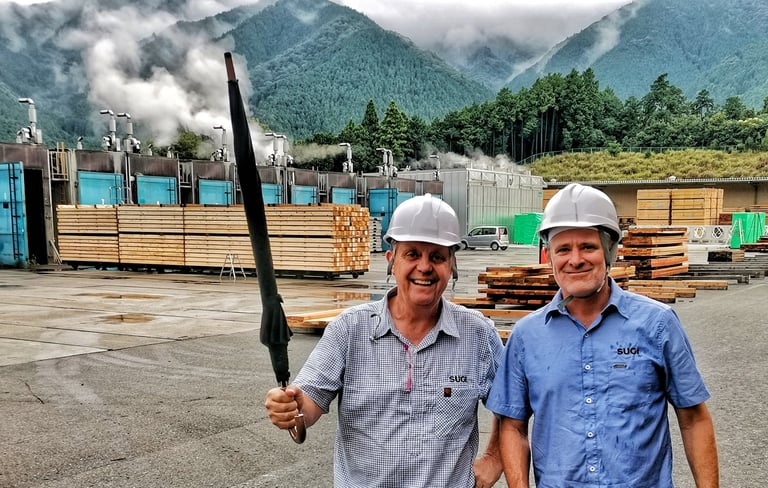
40+ Years of Japanese Business Experience: We don't source through intermediaries or trading houses. Our relationships with Japanese mill owners are long-standing and built on the kind of trust that only comes from doing long-term business in Japan.
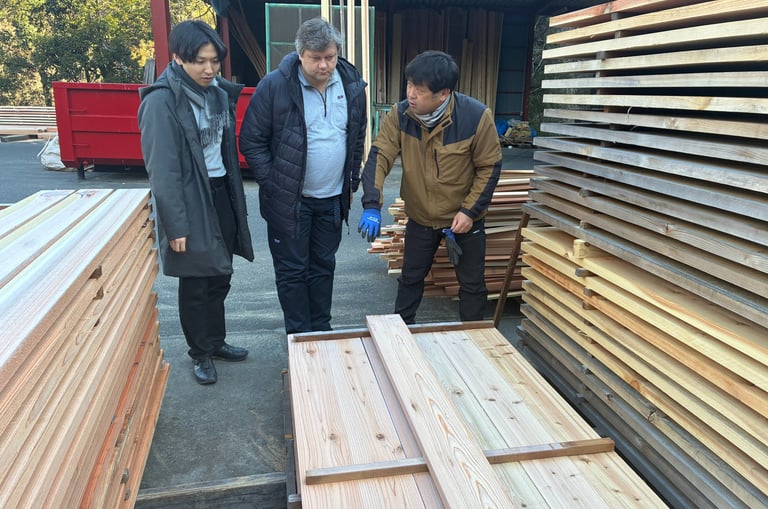
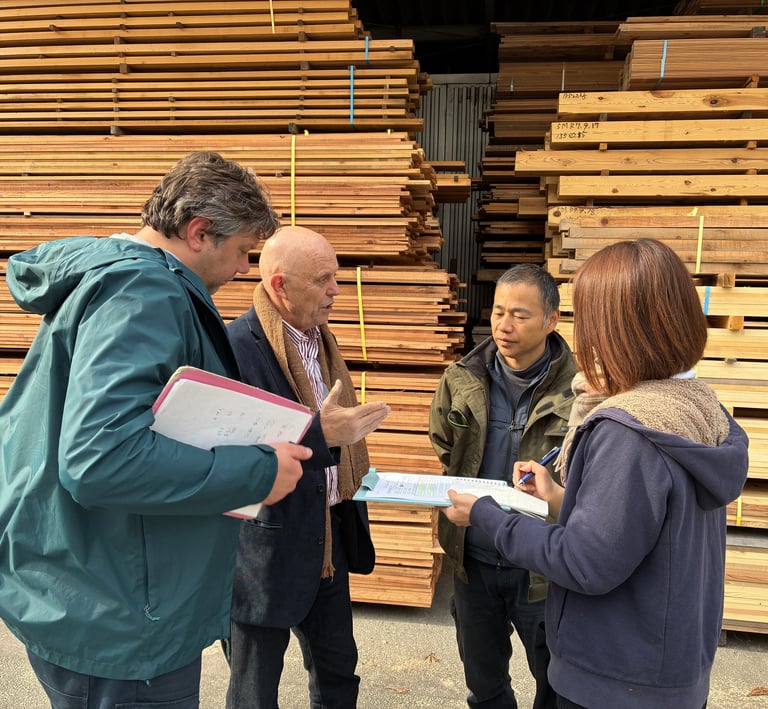
We pass this access to you.Direct Relationships With Family-Owned Mills: Every mill in our network is known to us personally. We know the owners, we know the timber, and we know exactly what each mill can and cannot produce. We're on the ground in Japan making it happen.
Bilingual Operations, End to End: All communication with our Japanese mill partners happens in Japanese, not through a translator hired for the occasion. Accurate information exchange at the source helps eliminate the mismatches and errors that plague timber orders placed through intermediaries.
Family-Owned Business: We aren't a trading platform that matches buyers with anonymous suppliers. We're a family-owned business run by a father and son team. There's no call centre, no rotating account managers, and no gap in the accountability chain between your order and the mill that fills it.
GOHO Certified Supply Chain: GOHO is Japan's official government-administered certification for sustainable and legal timber. Every product we supply carries verifiable GOHO documentation, satisfying due diligence requirements under international frameworks like FSC and PEFC.
From Lumber to Finished Surfaces, We Supply the Full Range
Unfinished Products
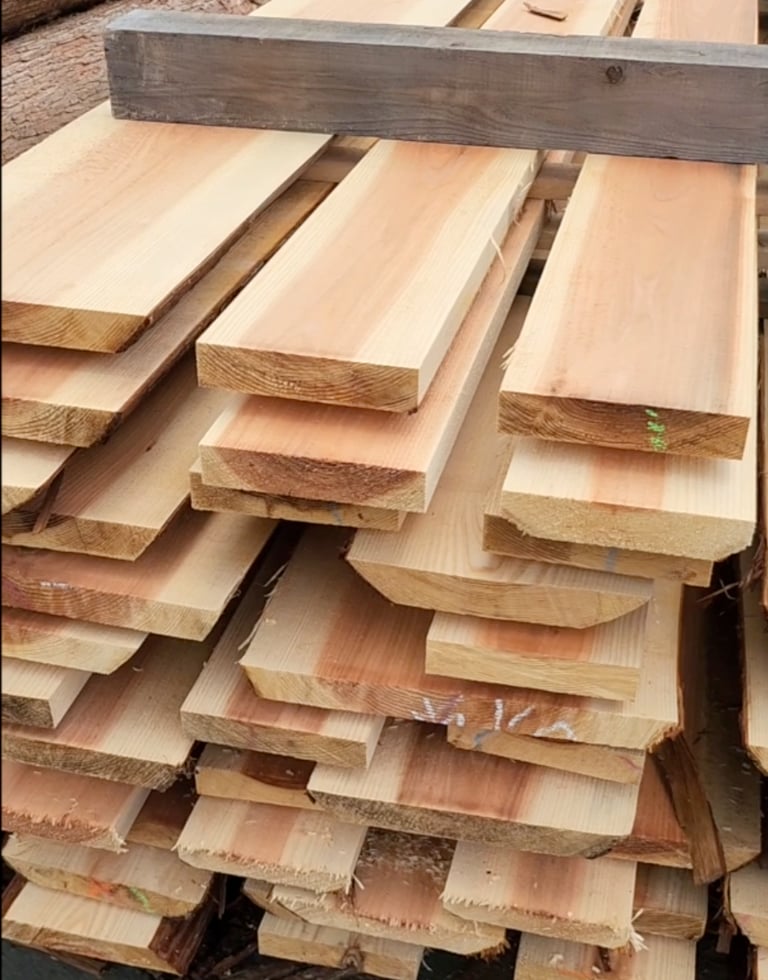
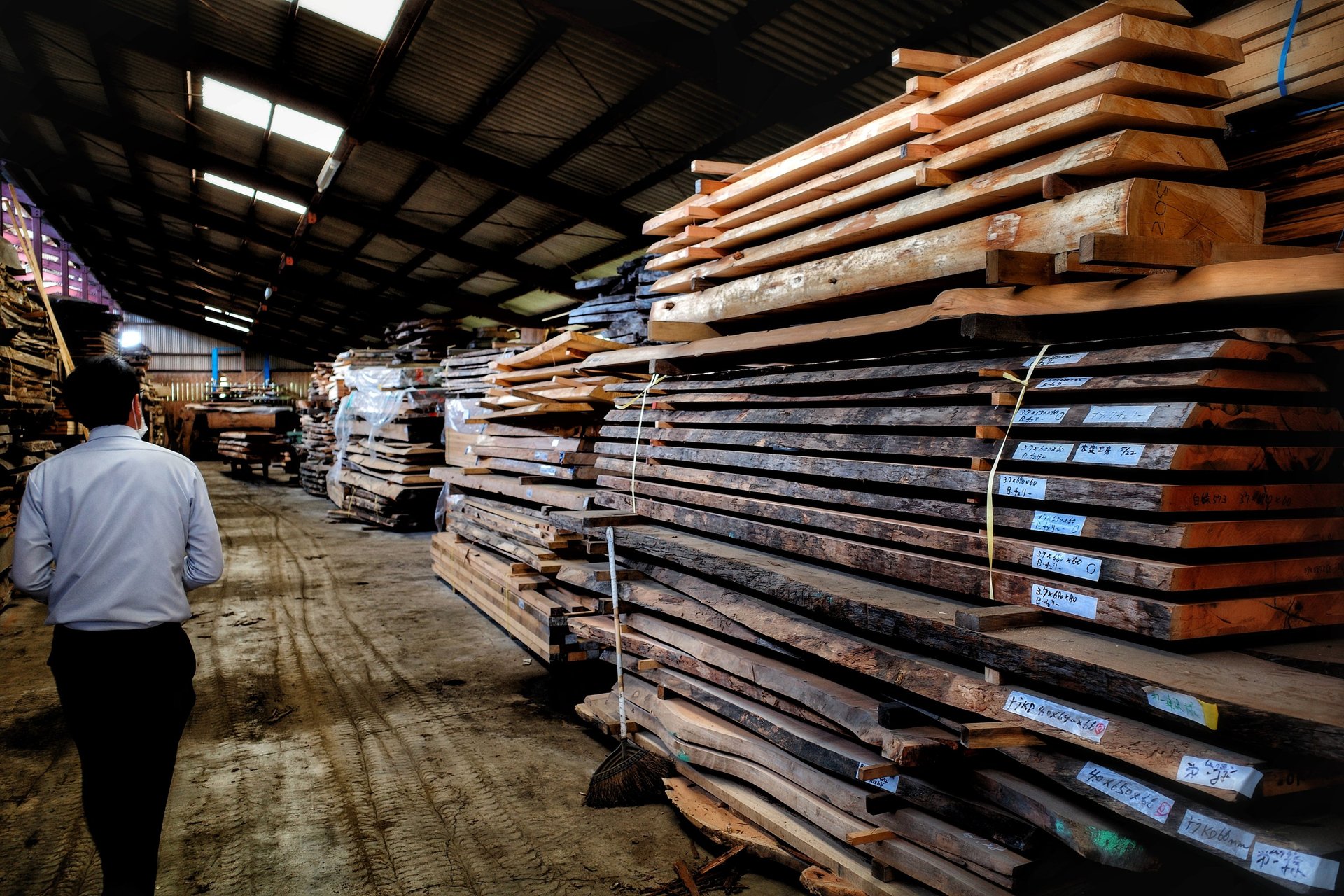
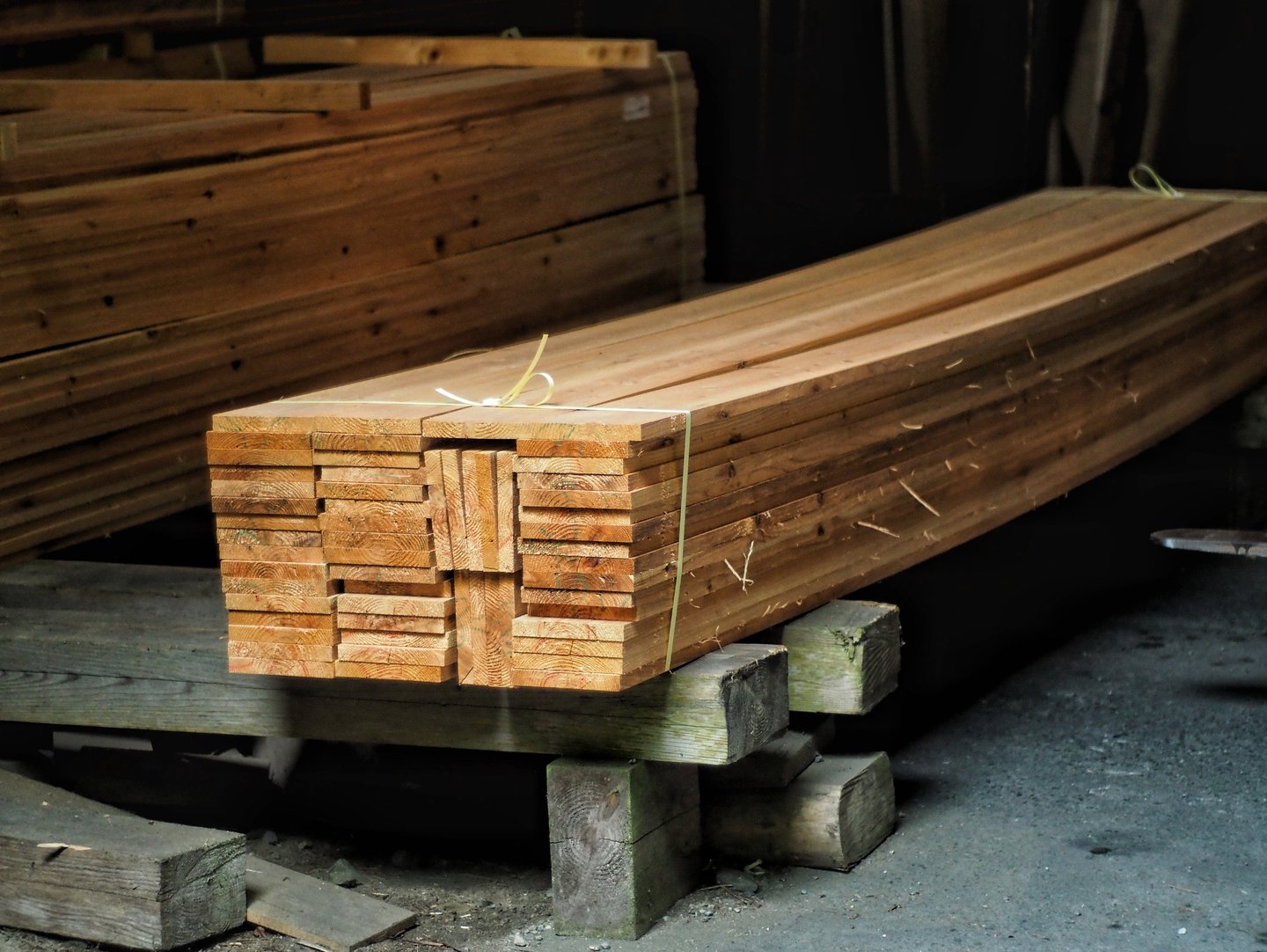
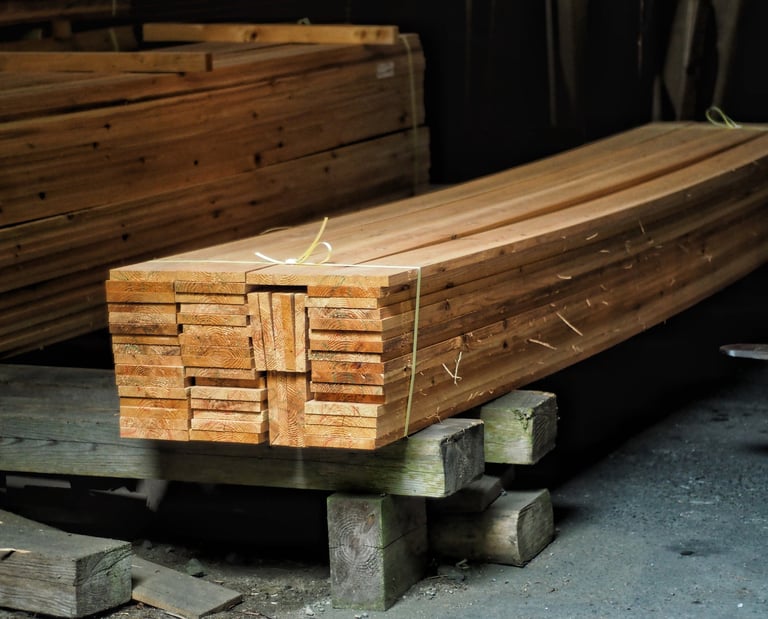
Rough sawn kiln-dried or green lumber in Sugi, Hinoki, Karamatsu, and Todomatsu. For buyers who mill, manufacture, or apply their own finish in-country.
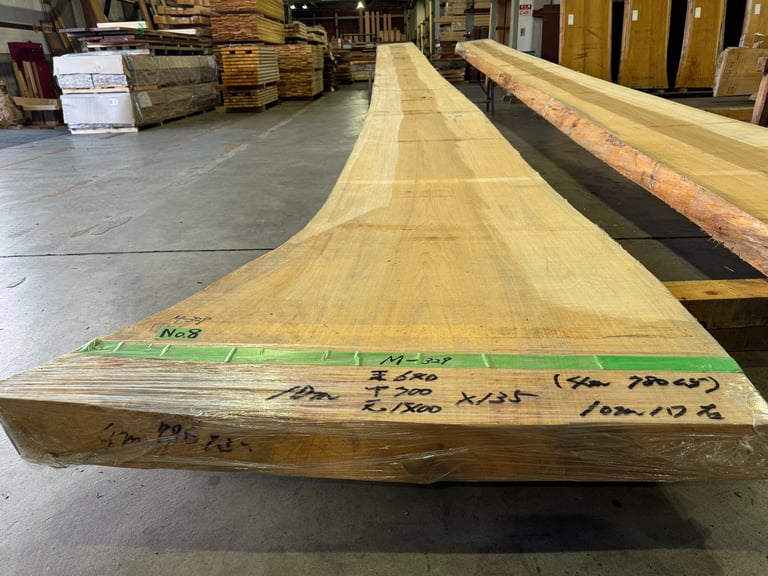
Semi-Finished Products
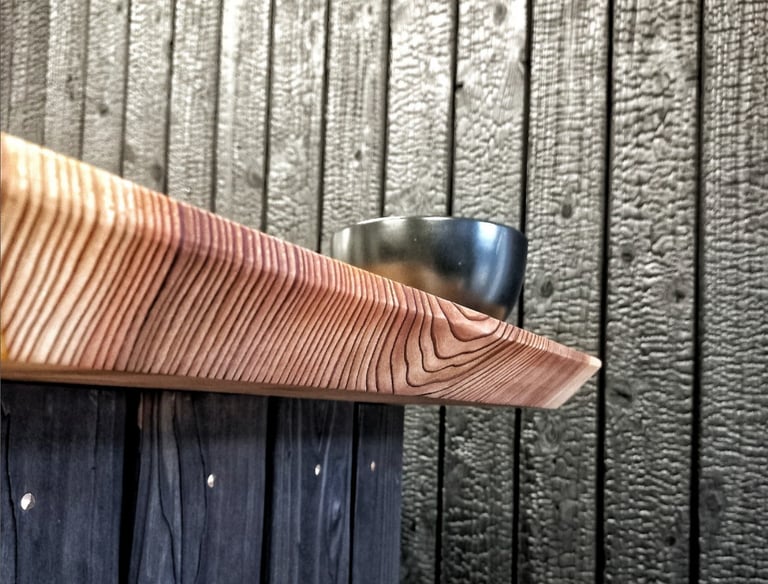
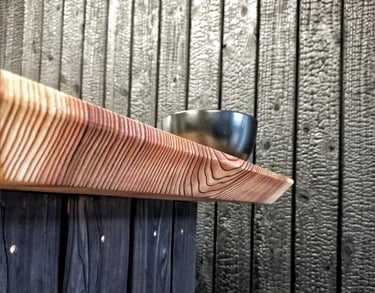
Collector grade Yoshino slabs, JAS-engineered Sugi beams, live edge wide Sugi boards, Hinoki turning blanks, and architectural-grade veneer in Sugi, Hinoki, and Hiba.
Solid Hinoki underfloor heating, Sugi mirror-pattern interior panelling, hand-polished Yoshino logs, and boxed Yakisugi ready for global distribution.
Finished Products
**Please note, we do not supply raw logs.
The Wood Behind Japan's Architectural Legacy
Sugi 杉 — Japanese Cedar
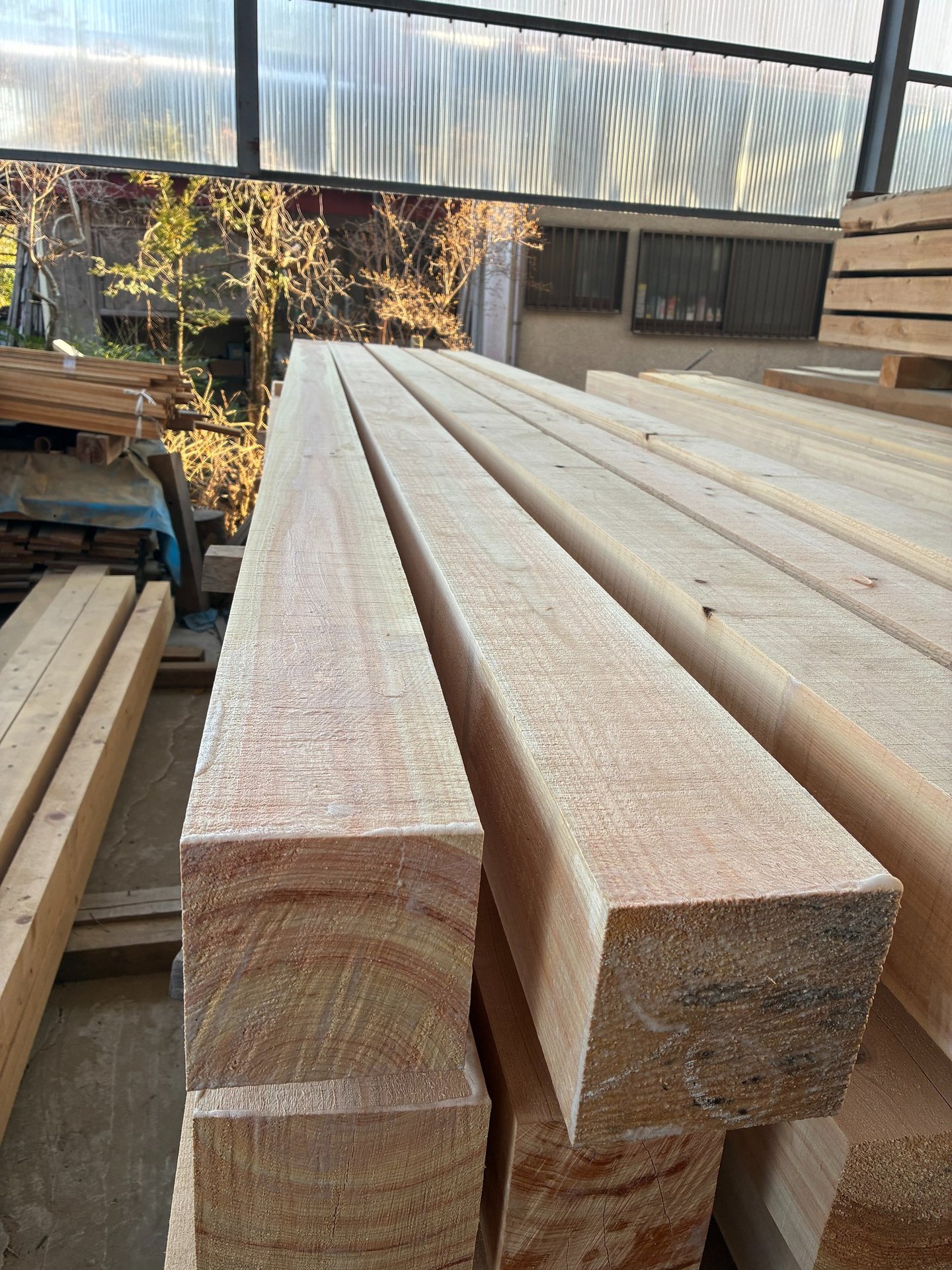
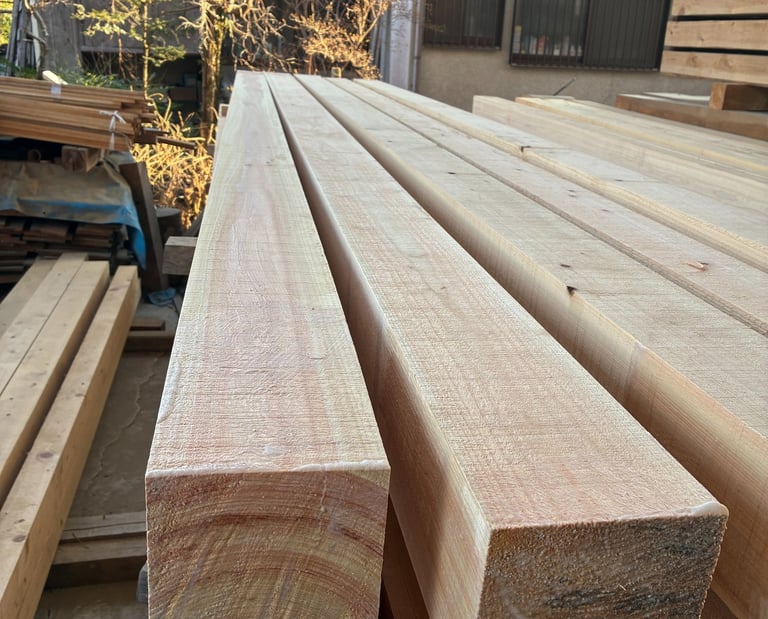
Sugi is Japan's national tree and among its most versatile timber species. Its straight grain and warm, reddish tones give it a calm, grounding presence in any space, while its natural compounds make it uniquely suited to the yakisugi charring process. Our Sugi grades range from 100% clear through to the aesthetic M-grade for high-end cladding.
Typical Applications: cladding, interior panelling, decking, beams, live edge slabs, saunas, joinery
Hinoki 檜 — Japanese Cypress
Hinoki is Japan's most sacred timber species. Inherently resistant to moisture and bacteria, it endures where other timbers fail. Its distinctive citrus scent, derived from hinokitiol, has made it the defining material of Japanese bathhouses, temples, and refined interiors for over a thousand years. It machines cleanly and ages beautifully.
Typical Applications: flooring, saunas, bath areas, interior panelling, sushi counters, turning blanks, cladding.
Your Project Calls for More Than Timber
Does your project require more than materials? We can also connect you to vetted Japanese architects, craftsmen, and specialist suppliers for projects where authentic Japanese design expertise is essential.
Tell Us What You Need
Let us know what you're working on. We'll match you with the right species, grade, or product and advise what Japan can offer you.
Email:
grahams@north21.co.nz
Phone / WhatsApp:
+818057446446
Head Office:
Ieyama, Kawane-Cho, Shimada Shi 428-0104
NZ Office:
St Heliers, Auckland, New Zealand 1071
© Copyright 2026 North21 Limited